

Coccidia in Pets
A Tiny Parasite With a Big Impact on Gut Health
Coccidia may be microscopic — but it can cause significant digestive upset, especially in puppies, kittens, and animals with weakened immune systems. This intestinal parasite is more common than many pet owners realise, particularly in warm climates and shared environments like boarding facilities or breeders.
Fortunately, once diagnosed, Coccidia is treatable. And with the right hygiene steps, it’s also preventable. Whether you’ve noticed symptoms, are caring for a young pet, or have had a recent outbreak in your household, we’re here to guide you through diagnosis, treatment, and next steps.

What Is Coccidia?
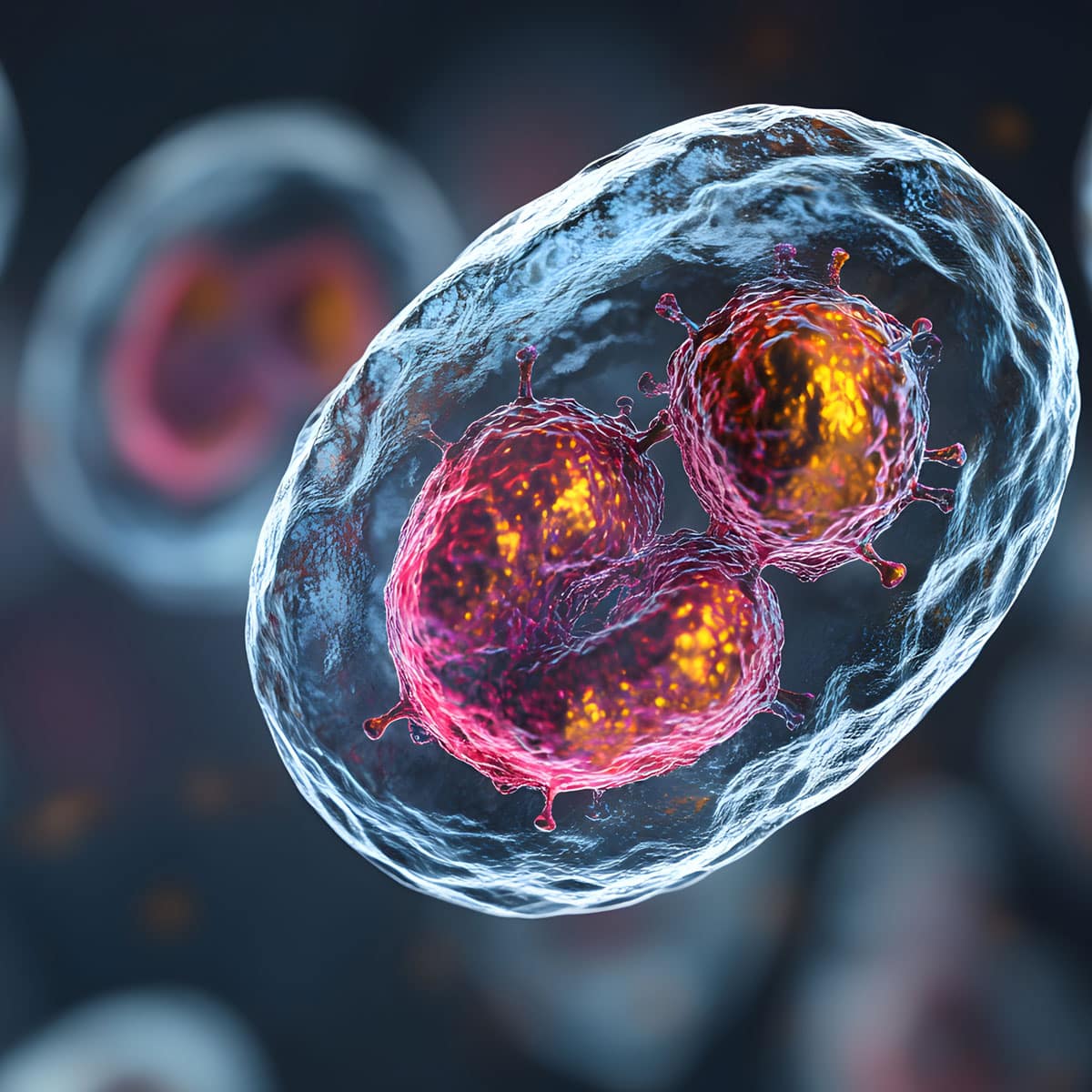
Coccidia are single-celled organisms that infect the intestinal lining, causing inflammation, poor nutrient absorption, and diarrhoea. Your pet becomes infected by ingesting the parasite’s oocysts — typically picked up from contaminated soil, faeces, water, or surfaces.
It’s most common in very young pets who are still building immunity, but older animals can be affected too, especially if stressed or exposed to large numbers of other animals. In multi-pet homes or rescue settings, the parasite can spread quickly if not addressed.
While some pets show no symptoms, Coccidia can be dangerous if left untreated — particularly in young animals where it can lead to dehydration and serious illness.

Recognising the Signs
Coccidia symptoms tend to centre around digestion — and they can be easy to overlook if they come and go. If your pet is experiencing tummy troubles that just don’t seem to settle, it’s worth investigating.
Common signs include:
-
Watery, loose, or mucusy diarrhoea
-
A strong or unusual stool odour
-
Straining to defecate or frequent bowel movements
-
Reduced appetite or energy levels
-
Weight loss (particularly in young animals)
-
Dehydration or weakness in more severe cases
These symptoms may appear a few days after exposure and can persist if left untreated. In litters or group settings, multiple animals may be affected at once.
How We Diagnose and Treat It
Coccidia is diagnosed through faecal testing — either by identifying oocysts under the microscope or using more sensitive antigen tests. In some cases, repeated testing may be needed, as the parasite may not always be shed consistently.
Treatment typically involves a course of anti-coccidial medication to eliminate the parasite. We’ll also advise on fluid support, probiotics, or dietary changes if your pet is experiencing diarrhoea or weight loss. Most pets improve quickly with treatment, and the condition is rarely life-threatening if caught early.
Preventing Reinfection
Coccidia oocysts are incredibly hardy — and can survive in the environment for long periods. That means even after treatment, it’s essential to clean your pet’s surroundings thoroughly to avoid recurrence.
We recommend:
-
Prompt removal of all faeces from the environment
-
Daily cleaning of bowls, bedding, and litter trays
-
Using disinfectants known to kill protozoa (we’ll advise which)
-
Keeping puppies and kittens away from public or soiled areas until fully recovered
If you have more than one pet at home, treating them all — even if asymptomatic — may be recommended.
FAQs
No. The species of Coccidia that affect cats and dogs are not contagious to humans. However, good hygiene is always advised, especially when handling faeces.
Both are intestinal parasites, but they’re caused by different organisms and require different medications. The symptoms are often similar, so testing is important for accurate treatment.
Yes — although it’s more common in young animals, adults can become infected, especially if their immune system is compromised or they’re exposed to contaminated areas.
Treatment usually lasts 5–10 days, depending on the severity of infection. Symptoms often improve within a few days, but we recommend finishing the full course of medication.
If you have multiple pets, keeping them separate during treatment helps prevent spread. Clean shared spaces daily and avoid communal feeding or toileting areas until recovery is confirmed.

Concerned About Coccidia?
If your pet has persistent diarrhoea — or if you’ve had a recent outbreak in your home, cattery, or kennel — don’t wait. Early diagnosis and treatment are key to a full and fast recovery.
Call or message us via WhatsApp to book an appointment.
Let’s help your pet feel better — and keep the rest of your household safe and healthy too.